
 English
 русский
 العربية
High Security Door Enhances Protection for Modern Buildings and Facilities
Published Time:
2026-06-12
High security door provides reinforced protection, advanced locking systems, and strong durability to ensure maximum safety for residential and commercial buildings
The demand for High security door solutions is increasing as residential buildings, commercial properties, industrial facilities, and critical infrastructure sites place greater emphasis on safety, intrusion resistance, and controlled access. Designed with advanced engineering and reinforced materials, high security doors play a vital role in protecting people, assets, and sensitive environments.
A High security door is a specially engineered entry system built to resist forced entry, fire, impact, and in some cases ballistic threats. These doors typically feature reinforced steel or composite cores, multi-point locking systems, anti-pry structures, and high-strength hinges designed to withstand extreme pressure and tampering attempts.
Industry experts note that rising urbanization, increasing security concerns, and stricter building safety regulations are driving strong demand for high-performance door systems. From apartment complexes and office buildings to data centers, banks, warehouses, and government facilities, security doors are becoming a standard requirement rather than an optional upgrade.
One of the main advantages of a High security door is its strong resistance to forced entry. Multi-layered construction, reinforced frames, and precision locking mechanisms make unauthorized access significantly more difficult compared to conventional doors. This enhances overall building safety and provides peace of mind for occupants and property owners.
Modern high security doors incorporate advanced technologies such as biometric access systems, smart locks, electronic keypads, and remote monitoring integration. These features allow for controlled entry management and improved tracking of access events, especially in commercial and institutional environments.
Fire resistance is another important feature in many High security door designs. Specialized core materials and sealing systems help slow the spread of fire and smoke, providing valuable evacuation time and improving compliance with building safety standards.
In industrial and infrastructure settings, high security doors are widely used to protect storage rooms, control centers, electrical facilities, and sensitive equipment areas. Their durability and resistance to harsh environments make them suitable for long-term heavy-duty use.
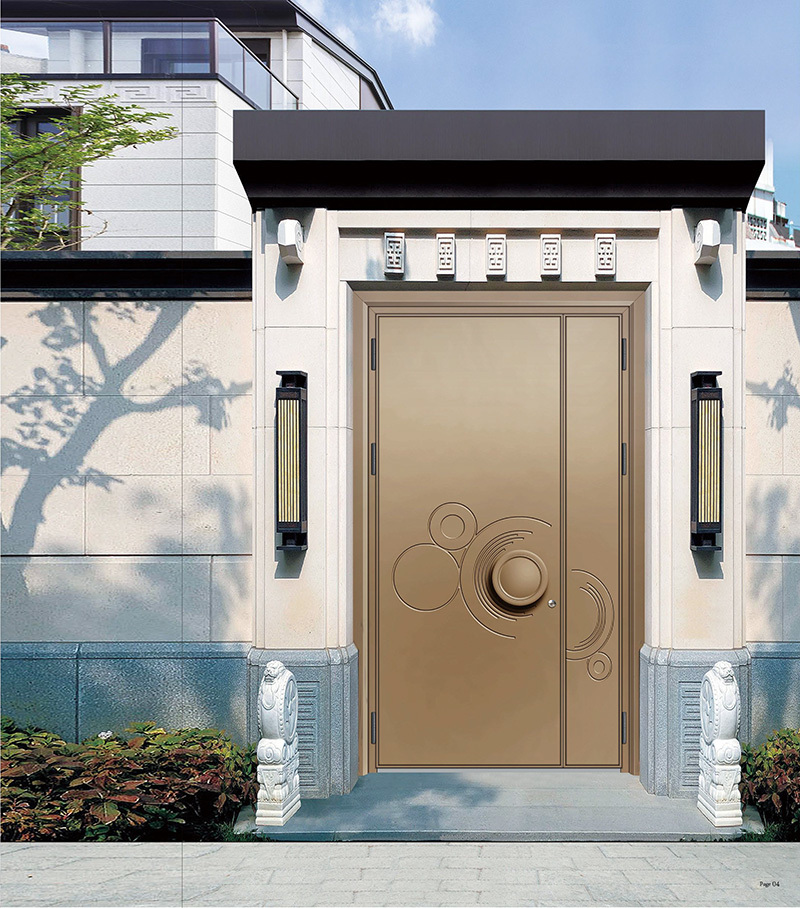
Manufacturers are increasingly focusing on combining security with aesthetics. Modern designs offer a variety of finishes, textures, and styles that allow high security doors to blend seamlessly into architectural designs without compromising safety performance.
Market analysts forecast continued growth for the High security door industry due to increasing global security concerns, infrastructure expansion, and rising demand for smart building solutions. Future innovations are expected to focus on enhanced material strength, integrated digital security systems, and improved energy efficiency.
In conclusion, the High security door is an essential component of modern building protection systems. Its combination of strength, durability, advanced locking technology, and optional smart features makes it a critical solution for safeguarding people and property across residential, commercial, and industrial applications.

DO YOU HAVE QUESTIONS?
Get In Touch With Us!
Fax:+86-0750-8307801
Add:Heshan City, Republican Town, Tiegang Industrial Zone II

Scan to chat
with customer service