
 English
 русский
 العربية

Advanced Fireproof Entry Doors Redefine Safety and Design in Modern Architecture
Published Time:
2026-03-31
Newest fireproof entry doors feature enhanced heat resistance, durable materials, and modern designs for improved safety and building protection
Fireproof entry doors are increasingly recognized as a vital element in modern construction, providing essential protection against fire hazards while supporting contemporary architectural design. As urban environments expand and safety regulations become more stringent, these doors are playing a critical role in safeguarding lives, protecting property, and ensuring compliance with international building standards.
At the heart of fireproof entry door technology is the ability to resist high temperatures and prevent the spread of flames and smoke. Constructed using fire-resistant materials such as galvanized steel, reinforced cores, and specialized insulation, these doors act as protective barriers during emergencies. Their ability to compartmentalize fire within a specific area significantly reduces the risk of rapid fire spread, giving occupants valuable time to evacuate and emergency responders time to act.
Modern fireproof doors are designed to meet strict fire resistance ratings, typically ranging from 30 minutes to several hours. These ratings are determined through standardized testing procedures that simulate real fire conditions, ensuring the door maintains structural integrity and insulation performance under extreme heat. Compliance with these standards is essential for residential buildings, commercial complexes, hospitals, schools, and industrial facilities.
In addition to fire resistance, smoke control is a key function of fireproof entry doors. Toxic smoke inhalation is a leading cause of casualties in fire incidents, making effective sealing systems crucial. Fireproof doors are equipped with intumescent seals that expand when exposed to heat, sealing gaps around the door frame and preventing the passage of smoke and hot gases. This feature enhances overall safety and protects evacuation routes.
Durability and long-term performance are also important considerations. Fireproof entry doors are engineered to withstand not only fire but also daily wear and environmental exposure. Anti-corrosion coatings, weather-resistant finishes, and robust hardware components ensure reliable operation over time. These features make them suitable for a wide range of environments, including humid climates and high-traffic areas.
Technological advancements are further enhancing the functionality of fireproof entry doors. Smart integration is becoming increasingly common, with doors equipped with sensors, alarms, and automated closing systems. These technologies enable real-time monitoring and immediate response during emergencies, improving overall building safety management. Some systems can be integrated with fire detection and building management systems, creating a coordinated safety network.
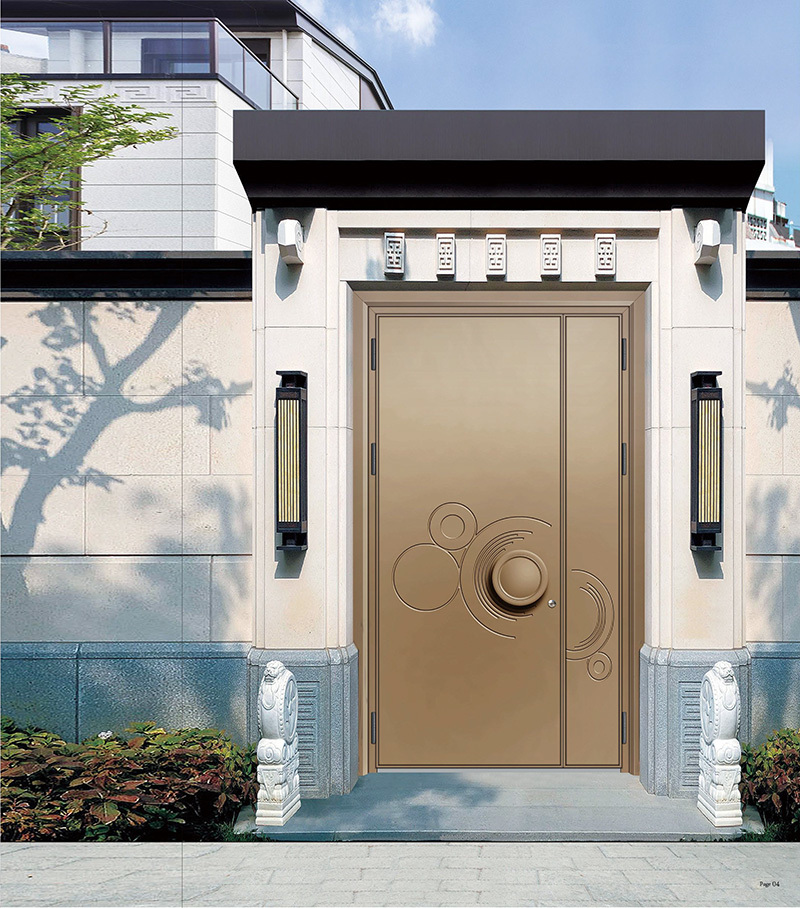
Customization has become a significant trend in the fireproof door industry. Architects and designers seek solutions that combine safety with aesthetic appeal, leading manufacturers to offer a wide variety of styles, finishes, and configurations. Fireproof entry doors can be tailored to match different architectural themes, from minimalist modern designs to classic traditional styles, without compromising their protective capabilities.
Sustainability is another driving force in the development of fireproof entry doors. Manufacturers are adopting eco-friendly materials and production processes to reduce environmental impact. Energy-efficient insulation within the doors contributes to better thermal performance, helping to maintain indoor temperatures and reduce energy consumption. These features align with green building initiatives and sustainability certifications.
The global demand for fireproof entry doors is rising steadily, fueled by rapid urbanization, increased construction activities, and heightened awareness of fire safety. Governments and regulatory bodies are enforcing stricter building codes, requiring the installation of certified fire-rated doors in critical areas. This regulatory pressure is encouraging continuous innovation and quality improvement within the industry.
Proper installation and maintenance are essential to ensure the effectiveness of fireproof entry doors. Professional installation ensures a secure fit and proper sealing, while regular inspections help identify wear or damage that could compromise performance. Maintenance practices such as checking seals, hinges, and locking mechanisms contribute to long-term reliability and safety.
In conclusion, fireproof entry doors are a cornerstone of modern building safety, combining advanced materials, innovative technology, and customizable design. Their ability to resist fire, control smoke, and maintain structural integrity makes them indispensable in protecting lives and property. As construction standards evolve and technology advances, fireproof entry doors will continue to play a crucial role in creating safer, more resilient built environments worldwide.

DO YOU HAVE QUESTIONS?
Get In Touch With Us!
Fax:+86-0750-8307801
Add:Heshan City, Republican Town, Tiegang Industrial Zone II

Scan to chat
with customer service