
 English
 русский
 العربية
The Evolution of Door Design: A Comprehensive Spotlight on Bronze Finishes
Published Time:
2026-03-14
The Evolution of Door Design: Spotlight on Bronze Finishes Table of Contents 1. A Brief History of Door Design 2. The Importance of Door Design in Architecture 3. Understanding Bronze Finishes 4. Benefits of Using Bronze Doors 5. Current Design Trends in Bronze Doors 6. Maintenance and Care of Bronze Finishes 7. Installing Bronze Doors: What You Need to Know 8. The
The Evolution of Door Design: Spotlight on Bronze Finishes
Table of Contents
- 1. A Brief History of Door Design
- 2. The Importance of Door Design in Architecture
- 3. Understanding Bronze Finishes
- 4. Benefits of Using Bronze Doors
- 5. Current Design Trends in Bronze Doors
- 6. Maintenance and Care of Bronze Finishes
- 7. Installing Bronze Doors: What You Need to Know
- 8. The Future of Bronze Door Design
- 9. Frequently Asked Questions
1. A Brief History of Door Design
The humble door, while often overlooked, has played an integral role in architecture and design throughout history. Initially, doors served a functional purpose: to provide security and protection. Ancient civilizations, from the Egyptians to the Greeks, utilized wooden doors adorned with intricate carvings that showcased their craftsmanship.
As societies evolved, so did door design. The Middle Ages saw the rise of heavy wooden doors, often reinforced with iron. These doors symbolized strength and security, reflecting the turbulent times. The Renaissance period introduced more refined designs, incorporating arches and decorative elements that aligned with the era’s artistic movement.
In the modern age, door designs began to embrace minimalism and functionality, paving the way for new materials. Today, doors can be seen in a vast array of styles, materials, and finishes, with bronze making a significant comeback in contemporary architecture.
2. The Importance of Door Design in Architecture
Doors are more than mere entry points; they are a vital component of a building's aesthetics and function. A well-designed door enhances curb appeal and adds value to a property. The right door can create a lasting first impression, setting the tone for the entire structure.
In commercial spaces, doors can influence customer behavior. A welcoming entrance can draw people in, while a poorly designed door can deter potential clients. In residential architecture, doors offer privacy, security, and can reflect the homeowner's personal style.
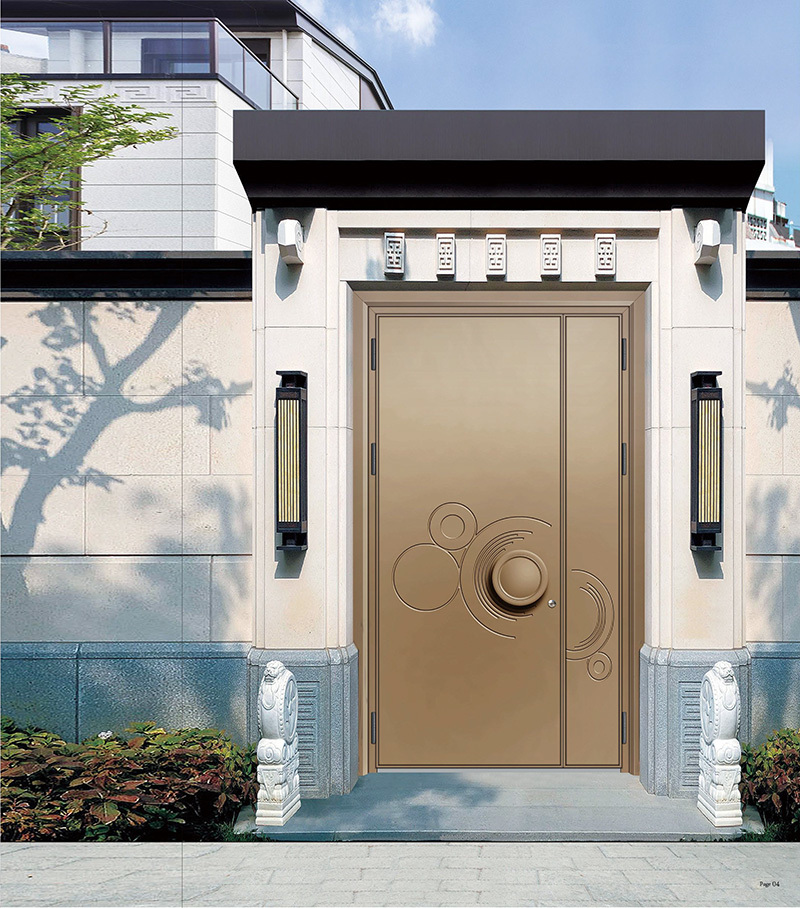
Bronze doors, in particular, stand out for their unique blend of durability and elegance. Their rich, warm tones and potential for intricate designs make them a preferred choice among architects and builders.
3. Understanding Bronze Finishes
Bronze is an alloy primarily composed of copper and tin, though other elements like aluminum and phosphorus can also be included to enhance specific properties. This combination results in a material that is not only durable but also aesthetically appealing.
Bronze finishes can vary significantly, from polished and bright to aged and patinated. The finish chosen can dramatically impact the door's overall look and feel. Polished bronze offers a luxurious shine, while aged bronze presents a more rustic, historic appearance.
Moreover, bronze is highly resistant to corrosion, making it an ideal choice for both exterior and interior doors. This resilience ensures that bronze doors maintain their beauty and functionality over time, regardless of the environmental conditions.
4. Benefits of Using Bronze Doors
Bronze doors provide several significant advantages that make them a popular choice among architects and designers:
4.1 Durability and Longevity
Bronze is known for its strength and resistance to wear and tear. Unlike wooden doors, bronze does not warp or crack, even under extreme weather conditions, ensuring a long lifespan.
4.2 Aesthetic Appeal
Bronze doors possess a timeless beauty. They can be customized with intricate designs, engravings, and finishes, allowing for personal expression in architectural design.
4.3 Security Features
Given their robust nature, bronze doors offer heightened security. They can be fitted with advanced locking mechanisms, making them a formidable barrier against intruders.
4.4 Low Maintenance
Bronze doors require minimal maintenance. Unlike wood, they do not need regular painting or staining, allowing homeowners to save time and money on upkeep.
4.5 Eco-Friendly Option
Bronze is a sustainable material. It is recyclable and can be repurposed, making it an environmentally friendly choice for eco-conscious consumers.
5. Current Design Trends in Bronze Doors
As architectural styles evolve, so do the trends in door design. Currently, several key trends are emerging in the realm of bronze doors:
5.1 Modern Minimalism
Clean lines and simple designs are taking center stage. Modern bronze doors often feature sleek profiles that complement contemporary architecture without overwhelming the aesthetic.
5.2 Mixed Materials
Designers are increasingly combining bronze with other materials such as glass and wood. This fusion allows for unique designs that maintain the durability of bronze while incorporating other textures and styles.
5.3 Customization
Homeowners and businesses are looking for unique, personalized door designs. Custom bronze doors can showcase individual style, with options for various finishes, sizes, and shapes.
5.4 Eco-Conscious Design
With sustainability becoming a priority, many designers are opting for eco-friendly practices in door design. This includes using responsibly sourced bronze and innovative manufacturing methods that reduce waste.
6. Maintenance and Care of Bronze Finishes
Taking care of bronze finishes ensures their longevity and beauty. Here are some essential maintenance tips:
6.1 Regular Cleaning
Dust and debris can accumulate on bronze doors, dulling their shine. Regularly cleaning with a soft, damp cloth is recommended to keep them looking pristine.
6.2 Avoid Abrasives
When cleaning, avoid using abrasive materials or harsh chemicals, as these can damage the finish. Instead, opt for mild soap and warm water.
6.3 Polishing
Occasionally, a light polish can enhance the shine of polished bronze. Use a specialized bronze polish that is safe for the material.
6.4 Monitoring for Patina
Some homeowners may prefer the natural aging process of bronze, which results in a patina. If you desire to maintain the original finish, consider applying a protective lacquer to prevent oxidation.
7. Installing Bronze Doors: What You Need to Know
The installation of bronze doors is a critical process that requires careful planning and execution:
7.1 Professional Installation
Due to their weight and complexity, it’s advisable to hire professionals for the installation of bronze doors. They possess the necessary skills and tools to ensure a secure fit.
7.2 Proper Measurements
Accurate measurements are crucial to ensure the door fits perfectly within the frame. This step prevents issues like air leaks and difficulties in operation.
7.3 Frame Compatibility
Ensure that the door frame is compatible with the weight of the bronze door. Reinforcement may be needed for larger doors to support their weight adequately.
7.4 Alignment and Sealing
Proper alignment is essential for the door’s functionality. Additionally, sealing around the edges can enhance energy efficiency and weather resistance.
8. The Future of Bronze Door Design
The future of bronze door design looks promising as architects and designers continue to explore innovative approaches. Sustainability will play a crucial role, with a focus on eco-friendly materials and processes. Additionally, technology may influence door design, with the integration of smart locks and automated systems becoming more prevalent.
As the architectural landscape evolves, the enduring beauty and functionality of bronze doors will ensure their place in modern design. Their ability to blend tradition with contemporary aesthetics makes them a timeless choice for various applications.
9. Frequently Asked Questions
9.1 What are the main benefits of bronze doors?
Bronze doors offer durability, aesthetic appeal, enhanced security, low maintenance, and eco-friendliness.
9.2 How do I clean and maintain bronze finishes?
Regular cleaning with a soft cloth and mild soap is recommended. Avoid abrasives and harsh chemicals. Polishing occasionally can enhance their shine.
9.3 Are bronze doors suitable for exterior use?
Yes, bronze doors are highly resistant to corrosion, making them ideal for both interior and exterior applications.
9.4 Can I customize my bronze door design?
Absolutely! Many manufacturers offer customizable designs, finishes, and sizes to cater to individual preferences.
9.5 What is the lifespan of a bronze door?
With proper care and maintenance, bronze doors can last for decades, often outliving other materials.
Conclusion
The evolution of door design is a fascinating reflection of cultural, technological, and aesthetic shifts throughout history. Bronze finishes stand out as a luxurious and durable option, combining functionality with timeless beauty. As we look to the future, the continued innovation in bronze door design promises to keep this classic material relevant in modern architecture. Whether for a residential or commercial space, bronze doors encapsulate a unique blend of strength and elegance, making them a preferred choice for discerning architects, designers, and homeowners alike.

DO YOU HAVE QUESTIONS?
Get In Touch With Us!
Fax:+86-0750-8307801
Add:Heshan City, Republican Town, Tiegang Industrial Zone II

Scan to chat
with customer service