
 English
 русский
 العربية
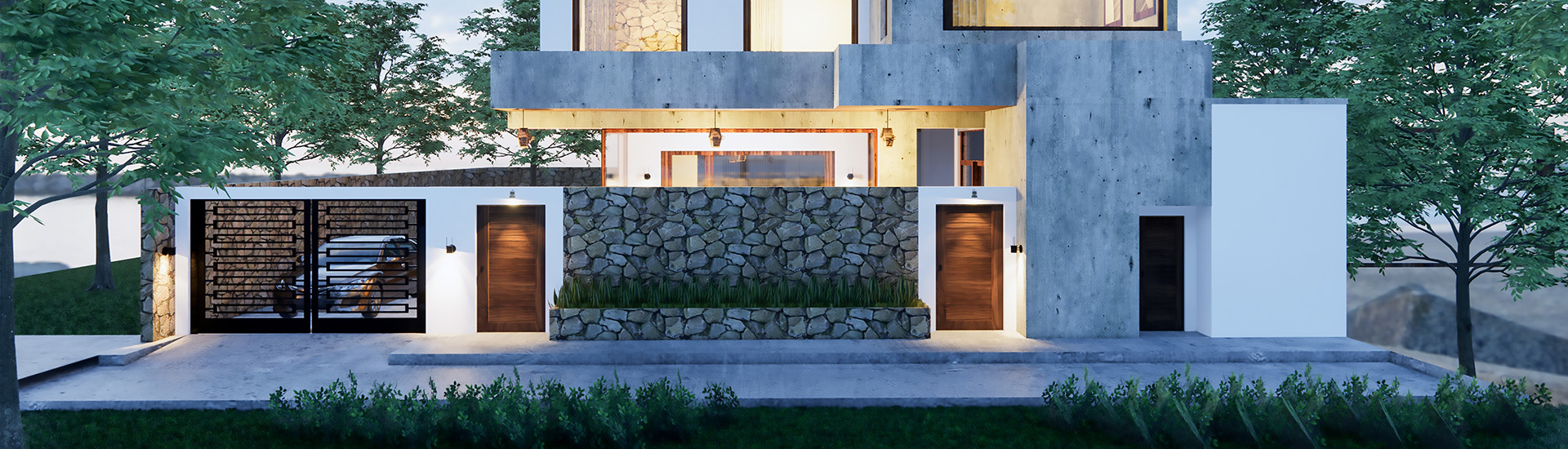
Enhancing Safety and Aesthetics: The Role of Impact Resistant Doors in Modern Architecture
Published Time:
2026-01-24
Impact resistant doors are increasingly recognized as a vital element in both residential and commercial buildings. These doors are specifically designed to withstand significant force, whether from natural disasters, accidental impacts, or break-in attempts. The durability of impact resistant doors is primarily derived from their construction materials and design. Typically, they feature a core m
Impact resistant doors are increasingly recognized as a vital element in both residential and commercial buildings. These doors are specifically designed to withstand significant force, whether from natural disasters, accidental impacts, or break-in attempts. The durability of impact resistant doors is primarily derived from their construction materials and design. Typically, they feature a core made of reinforced steel or fiberglass, which is encased in layers of impact-resistant glass or specialized composites. This structural integrity not only enhances security but also contributes to energy efficiency and noise reduction within buildings.
One of the primary benefits of impact resistant doors is their role in enhancing safety. In areas prone to severe weather conditions such as hurricanes or tornadoes, these doors serve as a formidable barrier against flying debris and high winds. Their ability to remain intact during extreme conditions significantly reduces the risk of injury to occupants, making them a crucial component in areas identified by building codes as high-risk zones.
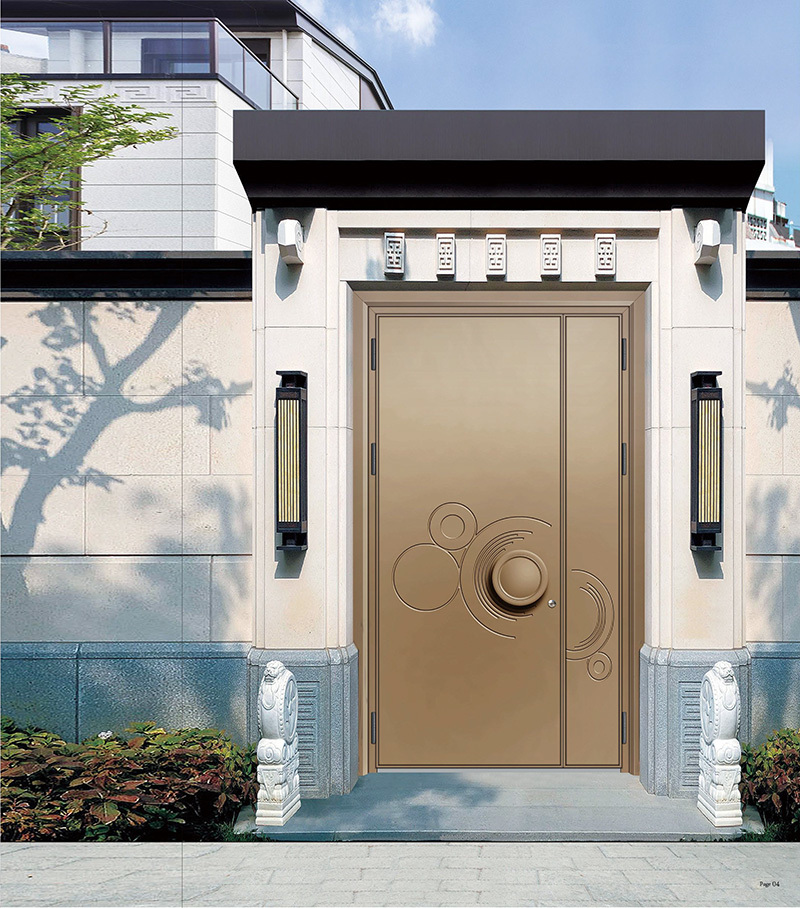
Beyond safety, impact resistant doors can also elevate the aesthetic appeal of a property. They are available in various styles, colors, and finishes, allowing architects and designers to create visually striking entrances without compromising functionality. Whether you’re opting for a sleek modern look or a more traditional appearance, there are impact resistant options that can harmonize with your overall design vision.
When selecting impact resistant doors for your project, several factors should be considered. First, assess the specific safety requirements of the location. This includes understanding local building codes and regulations related to wind load and impact resistance. Ensure that the doors you choose meet or exceed these standards to guarantee maximum protection.
Additionally, consider the thermal performance of the doors. High-quality impact resistant options often come with energy-efficient features, such as low-E glass and insulated cores, contributing to reduced energy costs over time. Investing in doors that provide both impact resistance and energy efficiency can lead to substantial long-term savings while enhancing the overall comfort of the building.
Moreover, maintenance is another critical aspect. Impact resistant doors often require less upkeep compared to traditional doors, as they are designed to resist dents, scratches, and corrosion. This durability can translate to lower maintenance costs and less frequent replacements over the life of the door.
In conclusion, integrating impact resistant doors into architectural designs not only promotes safety but also enhances the aesthetic and functional qualities of a building. By carefully considering the materials, design, and performance specifications, architects and builders can create secure, energy-efficient spaces that stand the test of time while meeting the demands of modern living.

DO YOU HAVE QUESTIONS?
Get In Touch With Us!
Fax:+86-0750-8307801
Add:Heshan City, Republican Town, Tiegang Industrial Zone II

Scan to chat
with customer service