
 English
 русский
 العربية
Brass Clad Doors vs. Traditional Wood Doors: Which is Better?
Published Time:
2026-08-22
Brass Clad Doors vs. Traditional Wood Doors: Which is Better? Table of Contents Introduction Understanding Brass Clad Doors Characteristics of Brass Clad Doors Understanding Traditional Wood Doors Characteristics of Traditional Wood Doors Durability Comparison: Brass Clad vs. Wood Aesthetic Appeal: Which Door Looks Better? Maintenance Requirements for Each Door
Brass Clad Doors vs. Traditional Wood Doors: Which is Better?
Table of Contents
- Introduction
- Understanding Brass Clad Doors
- Characteristics of Brass Clad Doors
- Understanding Traditional Wood Doors
- Characteristics of Traditional Wood Doors
- Durability Comparison: Brass Clad vs. Wood
- Aesthetic Appeal: Which Door Looks Better?
- Maintenance Requirements for Each Door Type
- Cost Analysis: Brass Clad vs. Traditional Wood Doors
- Environmental Impact of Both Door Types
- Conclusion
- FAQs
Introduction
In the realm of architectural design and home improvement, selecting the right door is pivotal. Among the options available, **Brass Clad Doors** and **Traditional Wood Doors** stand out as two popular choices, each offering unique benefits and drawbacks. This article delves into a thorough comparison of these two door types, focusing on their **durability**, **aesthetics**, **maintenance**, **cost**, and **environmental impact**. By the end of this comprehensive guide, you will have a clearer understanding of which door type best suits your needs and preferences.
Understanding Brass Clad Doors
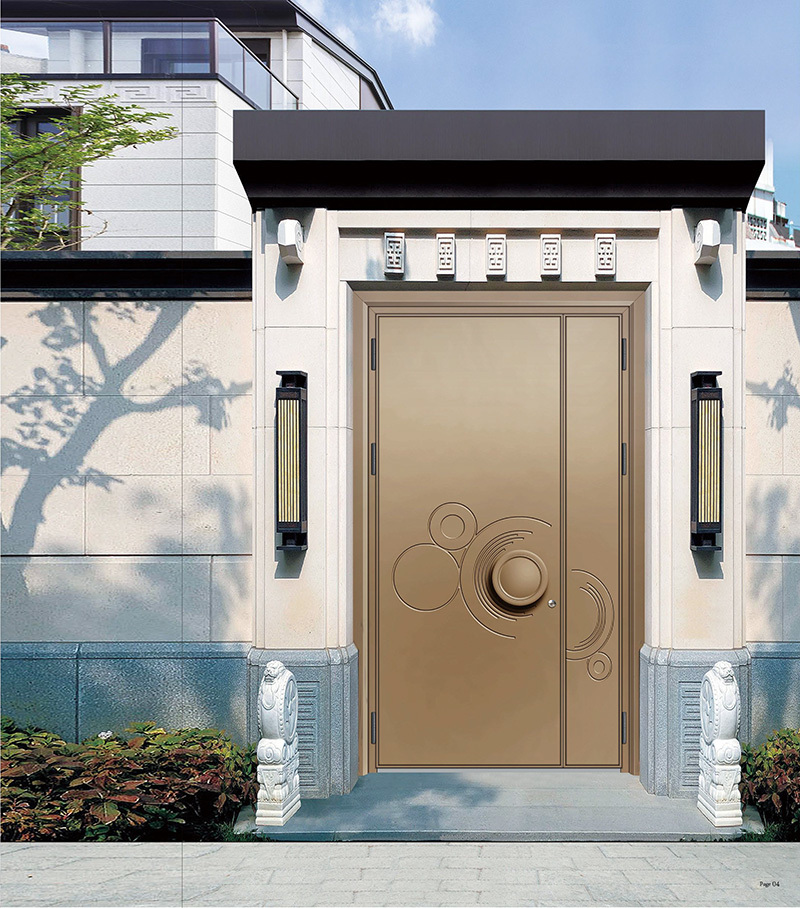
Brass Clad Doors are crafted using a core material, usually wood or a composite, that is covered with a layer of brass. This combination provides a unique blend of traditional craftsmanship with modern materials. The outer brass layer imparts a distinctive aesthetic appeal while offering enhanced protection against the elements.
Characteristics of Brass Clad Doors
**Durability**: Brass is known for its corrosion resistance, making these doors less susceptible to weathering compared to purely wooden doors. The metallic exterior can withstand harsh conditions, ensuring longevity.
**Aesthetics**: The warm tones of brass provide an elegant touch, enhancing the visual appeal of any entryway. Over time, brass develops a natural patina, further adding to its character.
**Security**: Brass Clad Doors are often more secure than traditional wood doors due to their robust construction and added weight.
Understanding Traditional Wood Doors
On the other hand, Traditional Wood Doors are entirely made from timber, showcasing the natural beauty of wood grains and textures. They are available in various styles, from classic to contemporary, allowing homeowners to choose a design that best fits their aesthetic.
Characteristics of Traditional Wood Doors
**Natural Beauty**: The unique patterns and colors of wood make every door one-of-a-kind. Many homeowners appreciate the warmth and inviting nature of wooden doors.
**Customizability**: Wood doors can be easily customized in terms of size, design, and finish, making them highly versatile.
**Insulation**: Wood is a natural insulator, helping to maintain indoor temperatures and reduce energy costs.
Durability Comparison: Brass Clad vs. Wood
When it comes to durability, Brass Clad Doors generally outperform Traditional Wood Doors. The brass exterior provides a protective barrier against moisture, temperature changes, and physical wear. Conversely, wooden doors are vulnerable to rot, warping, and insect damage, which can significantly shorten their lifespan.
**Weather Resistance**: Brass Clad Doors can withstand extreme weather conditions, making them an ideal choice for regions with harsh climates. Traditional Wood Doors require regular maintenance, including sealing and painting, to protect against the elements.
Aesthetic Appeal: Which Door Looks Better?
Aesthetically, both door types offer distinct advantages. Brass Clad Doors exude a modern charm with their shiny, polished finish, while Traditional Wood Doors bring a classic, timeless feel. The choice largely depends on your home’s architectural style and personal preferences.
**Brass Clad Doors** work well with contemporary and minimalistic designs, while **Wood Doors** are perfect for traditional and rustic settings.
Maintenance Requirements for Each Door Type
**Brass Clad Doors** require minimal maintenance due to their corrosion-resistant properties. Occasional cleaning and polishing can maintain their shine, but they do not need regular painting or sealing.
In contrast, **Traditional Wood Doors** need more attention. Homeowners must regularly inspect for signs of wear, apply protective finishes, and repaint or re-stain to prevent fading and damage.
Cost Analysis: Brass Clad vs. Traditional Wood Doors
The initial investment for **Brass Clad Doors** is typically higher due to the materials and craftsmanship involved. However, their longevity and reduced maintenance costs may lead to savings in the long run.
**Traditional Wood Doors** can be more affordable upfront, but the ongoing costs for maintenance and potential repairs can add up over time.
Environmental Impact of Both Door Types
When considering sustainability, the environmental impact of the materials used is crucial.
**Brass Clad Doors** often involve metal, which has a higher carbon footprint in manufacturing but is highly recyclable.
**Traditional Wood Doors** can be more sustainable if sourced from responsibly managed forests, though their longevity and maintenance requirements must also be factored into their overall environmental impact.
Conclusion
Choosing between **Brass Clad Doors** and **Traditional Wood Doors** ultimately comes down to individual preferences and specific needs. If you prioritize durability, minimal maintenance, and a modern aesthetic, Brass Clad Doors may be the ideal choice. Conversely, if you value natural beauty, customizability, and warmth, Traditional Wood Doors may better suit your style.
Consider your climate, budget, and design preferences carefully before making a decision to ensure you select the door that enhances your space for years to come.
FAQs
1. Are Brass Clad Doors more secure than Traditional Wood Doors?
Yes, Brass Clad Doors are generally considered more secure due to their robust construction and added weight from the brass layer.
2. How do I maintain my Brass Clad Door?
Maintain your Brass Clad Door by regularly cleaning it with a mild detergent and polishing it occasionally to keep its shine.
3. What is the average lifespan of a Traditional Wood Door?
With proper care and maintenance, a Traditional Wood Door can last anywhere from 15 to 30 years.
4. Can I customize a Brass Clad Door?
Yes, Brass Clad Doors can be customized in terms of design, size, and finish, though options may be more limited compared to wooden doors.
5. Are Traditional Wood Doors eco-friendly?
Traditional Wood Doors can be eco-friendly if they are sourced from sustainably managed forests and maintained properly over their lifespan.

DO YOU HAVE QUESTIONS?
Get In Touch With Us!
Fax:+86-0750-8307801
Add:Heshan City, Republican Town, Tiegang Industrial Zone II

Scan to chat
with customer service